A drought might seem like just a farming issue. Fields dry up, crops struggle to grow, harvests move earlier, and livestock farmers worry about pasture and winter forage. However, as I learn more about agriculture, I see these problems as interconnected with everyone.
When land fails to produce enough food, the impacts extend beyond farms, affecting our food supplies, water resources, prices, and overall resilience. This perspective has been especially prominent in my thoughts as I’ve read about the current drought impacting parts of the UK.
The warning signs are already here
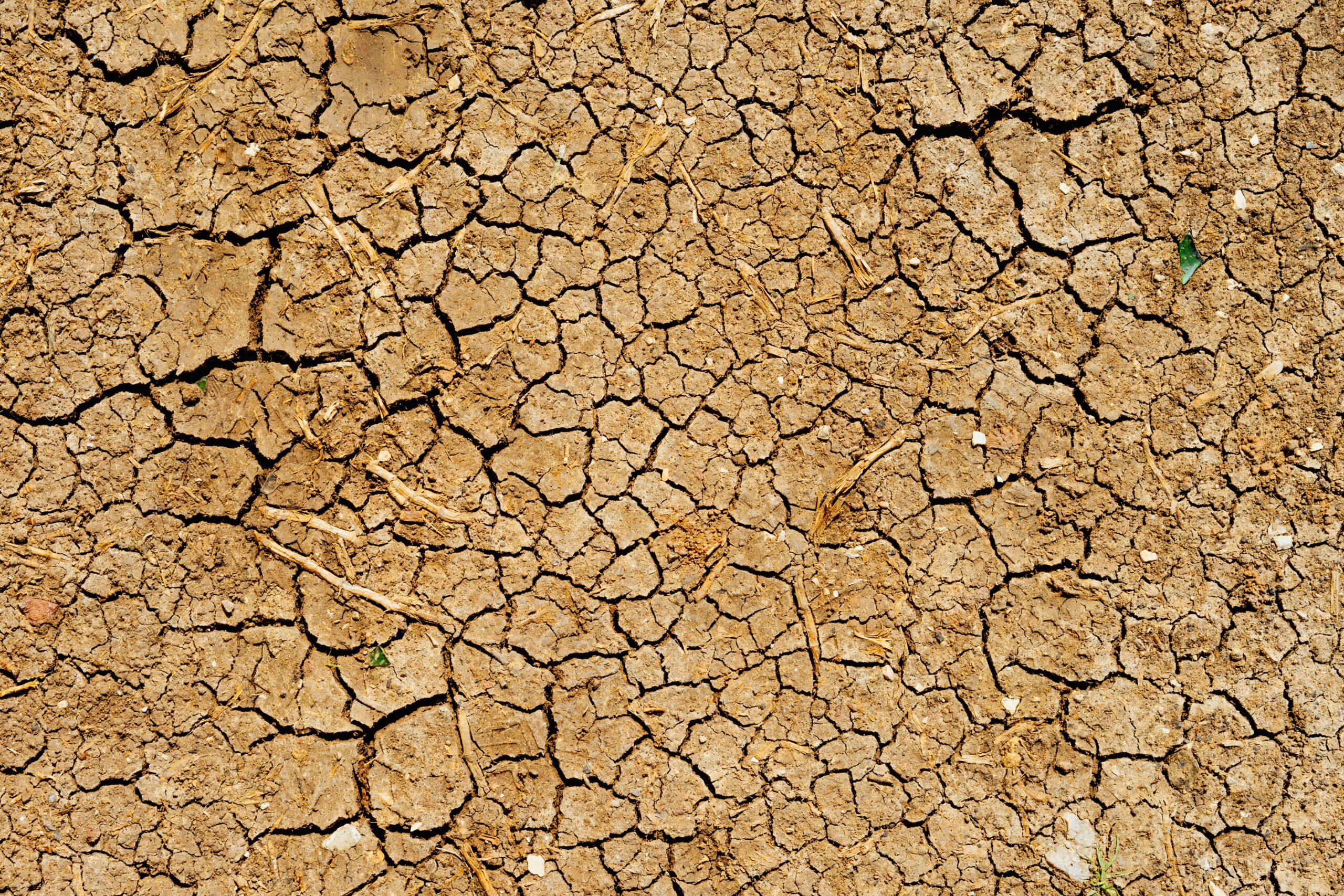
The Environment Agency’s recent reports highlight increasing stress on agriculture due to extended dry spells and high temperatures. Crops are maturing earlier than usual, leading to early cereal harvests in some regions. Yields are declining, and livestock farmers are relying on winter forage supplies sooner. Additionally, irrigation demand is high, and low river flows have resulted in over 1,300 restrictions on water abstraction licences.
By the end of July, half of England was officially in drought, with seven areas experiencing a swiftly intensifying “flash drought,” characterised by very low rainfall and sustained high temperatures that further stress soils, rivers, and reservoirs.
This situation matters for agriculture because crops require water not just for rain but at the right times. A crop can withstand a tough period but may fail if water shortages occur during key growth stages, impacting both yield and quality, especially with added heat stress. Ultimately, drought isn’t only about dry fields; it’s also about whether farming systems can withstand conditions beyond their historical norms and maintain productivity.
What happens when the weather becomes less predictable?
This is the question I keep coming back to.
Farmers have always dealt with difficult weather.
Too much rain. Too little rain. Frost. Storms. Heat.
Agriculture has never been predictable.
There is a distinction between managing an occasional tough season and building a food system that can handle extreme conditions. The current drought is already impacting crop yields, and the entire water infrastructure is under strain.
The Environment Agency reports decreasing river flows, high irrigation demands, and growing concerns over water resilience. When considering the food system as a whole, the issue expands further. It’s not just about a single farmer’s reduced yield this year; it’s about how many farms are affected simultaneously, our reliance on specific crops, the system’s flexibility, the available water supply, farmers’ ability to respond quickly, and the risk that a bad year turns into multiple difficult years.
Resilience is different from productivity
One of the ideas I find most compelling about agroecology is its focus on resilience. We often measure success by productivity, how much we can grow, how efficiently, and the yield per hectare. While these are crucial questions, it’s also vital to ask: how does a farming system handle changing conditions?
A system that thrives under perfect circumstances isn’t necessarily resilient during stress. Resilience could involve healthier soils that retain water, greater crop diversity, different livestock integration, or preserving landscape features like hedgerows, trees, and wetlands, which affect water flow and microclimates. It might also mean diversifying income and food sources.
None of these alone is a drought solution, nor should agroecology be sold as one. Instead, it encourages us to look beyond isolated tweaks and focus on how all parts interact. This holistic view is increasingly vital.
What is happening beneath the surface?
One insight I am gaining about agriculture is that what appears from the roadside tells us very little. A field may look green, the crop may seem healthy, and the landscape might look completely normal.
However, beneath the surface, the soil could be losing moisture, organic matter could be affecting its water retention, and biological activity could be responding to stress. This is why I find soil so intriguing.
Some think of soil merely as the medium in which plants grow, but it is much more. It’s part of a living system, and if we’re considering how to make agriculture more resilient, the health of that system is certainly important.
We cannot ask farmers to solve this alone
Another important aspect of this conversation is often overlooked. It’s easy to focus on what farmers should do differently during a drought, such as using less water, changing crops, harvesting earlier, adapting, investing, protecting the soil, or preparing for another challenging year. While some of these adjustments are sensible, and many farmers are already making them, resilience isn’t solely a farm-level issue.
Farmers operate within broader systems like markets, supply chains, planning, water regulations, and government policies. The Environment Agency has already imposed abstraction restrictions due to increasing water scarcity (gov.uk). This raises larger questions beyond farming:
How should water be allocated when demand outstrips supply?
Who determines priorities?
How do we balance agriculture, households, industry, and the environment?
And what does a resilient national food system look like?
These are policy issues as much as agricultural concerns.
Perhaps the drought is asking us to think differently
When issues arise, there’s a tempting inclination to find a single fix: more irrigation, additional reservoirs, new crop varieties, different planting schedules, or technological advances.
While each may contribute, true resilience is rarely achieved through a sole intervention. Instead, it develops through multiple layers: healthy soils, diverse landscapes, effective water management, knowledge, infrastructure, research, sound policies, financial security for farmers to adapt, and a resilient food system that doesn’t rely on everything going perfectly.
This perspective is where agroecology becomes particularly compelling. It urges us to view farming not as an isolated activity but as an integral part of a broader ecological and social framework.
Could wetlands help us retain water in the landscape?
When discussing drought resilience, the focus often shifts to constructing new infrastructure. Yet, many of our most crucial water-storage systems are already part of the landscape.
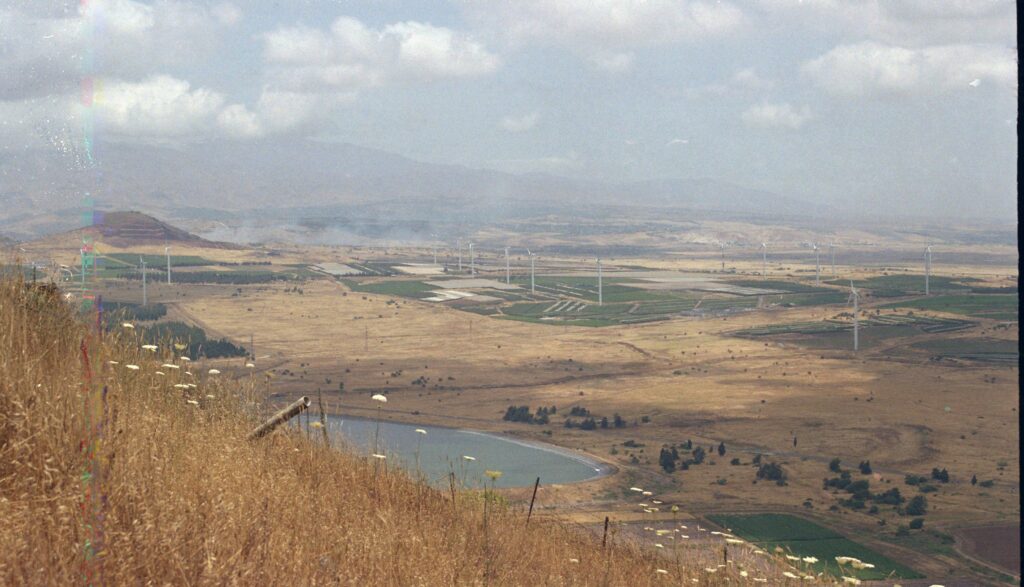
Wetlands, floodplains, ponds, and restored peatlands slow water movement, allowing more to infiltrate soils and recharge groundwater instead of quickly reaching rivers and the sea. During dry times, this stored water is released gradually, supporting river flow, wildlife, and the broader landscape.
Wetlands cannot fully replace reservoirs or ensure water supply during extended droughts. Their success depends on factors like location, condition, and integration within the broader catchment area. However, they illustrate why drought and flooding are interconnected issues. A landscape that struggles to hold water in winter could become even more at risk when summer rainfall ceases.
Restoring wetlands prompts a larger question: have we prioritised diverting water from land over exploring safe retention options?
The Environment Agency’s recent national framework highlights that wetlands and similar nature-based solutions can enhance water storage, infiltration, and groundwater recharge. Additionally, they support biodiversity and improve water quality. Essentially, making space for water helps us prepare for both excess and scarcity scenarios.
Should more farms be encouraged to develop their own reservoirs?
Another potential solution is to create additional on-farm reservoirs.
For farms reliant on irrigation, a reservoir offers improved control over water availability. Rather than depending solely on rivers and groundwater during dry seasons, water can be gathered or drawn when it’s more abundant and stored for later use by crops.
This approach could enhance the resilience of individual farms, but reservoirs demand land, careful planning, significant investment, and appropriate local conditions. For smaller businesses, the costs can be prohibitive, especially since the financial benefits hinge on unpredictable weather and fluctuating crop prices. Additionally, some farms may not have a suitable water source or enough winter water to fill a reservoir.
Shared reservoirs and collaborative water networks are especially compelling because, in 2025, the Government supported research into solutions like multi-farm reservoirs, rainwater-storage systems, and shared irrigation infrastructure. The Environment Agency projected that the top proposals could help farmers access an extra 12 billion litres of inexpensive water annually.
Farm reservoirs should not be viewed as a one-size-fits-all solution. Nonetheless, when environmentally suitable, they may provide farmers with greater security and help reduce demand for water extraction from rivers during periods of critically low flow.
Does winter rainfall help us prepare for a dry summer?
Britain’s issue is not necessarily a lack of rain throughout the year. More often, it’s that rainfall comes at the wrong times, in the wrong locations, or with such intensity that the land and current infrastructure cannot effectively handle it.
Winter storage becomes more essential as water is collected from roofs and farmyards or taken from rivers when flow rates are high. This stored water can be used during the growing season. Capturing water during times of abundance helps lessen the need for abstraction during summer, when crops, wildlife, and public supplies are more stressed.
However, this is not guaranteed. A dry autumn and winter can hinder reservoir replenishment, and abstraction must still be regulated to prevent harm to rivers or groundwater. Additionally, storage faces practical constraints such as construction expenses, evaporation losses, maintenance needs, and land requirements.
The core idea remains simple: as rainfall shifts toward wetter winters and drier summers, our water system needs to improve its ability to transfer water across different seasons.
This might include large reservoirs as well as smaller, distributed solutions such as farm ponds, rainwater harvesting, restored soils, wetlands, and shared storage schemes. The solution likely isn’t a single massive intervention but a combination of various methods to prevent winter rainfall from turning into summer shortages.
Who should receive priority during water shortages?
Agriculture isn’t the only sector straining Britain’s water resources. Data centres, which support cloud computing, online services, and artificial intelligence, may use water directly for cooling and indirectly via the electricity they consume.
Not all data centres consume large amounts of water. Some use air cooling or closed-loop systems, and studies show water use varies widely across facilities. A more pressing concern is that the Government and Environment Agency do not yet have full data on the sector’s current water consumption or the impact of its rapid growth.
This issue matters because numerous proposed data centres are located in water-stressed regions of England. Meanwhile, households might be requested to cut back on water use, farmers could face restrictions on water abstraction licenses, and rivers risk dangerously low flow levels.
Although data centres do not automatically get priority for water before people, their classification as critical national infrastructure and the government’s plans to grow artificial intelligence raise valid concerns about how various needs will be balanced during significant shortages.
Is it appropriate to use drinking water for cooling servers when recycled or non-potable water options are available? Should data centres be constructed in water-stressed areas? Moreover, should companies be obligated to disclose their anticipated water usage prior to approval of new developments?
The Environment Agency recognises that incomplete data hampers accurate predictions of future demand. Before requesting additional sacrifices from households and farmers, there should be increased transparency regarding the water needs of large commercial developments. Additionally, a clear national hierarchy should be established to clarify who and what receives priority during water shortages.
What does this mean for the future of farming?
I believe that suggesting that every farm should look the same is not the answer. Quite the opposite, as different soils, climates, crops, livestock systems, and landscapes require tailored approaches.
However, resilience should become a more central focus. Instead of asking only, “How much can we produce?” we should ask, “How much can we sustain when conditions are less than ideal?” and perhaps even, “What kind of landscape do we want to leave behind?”
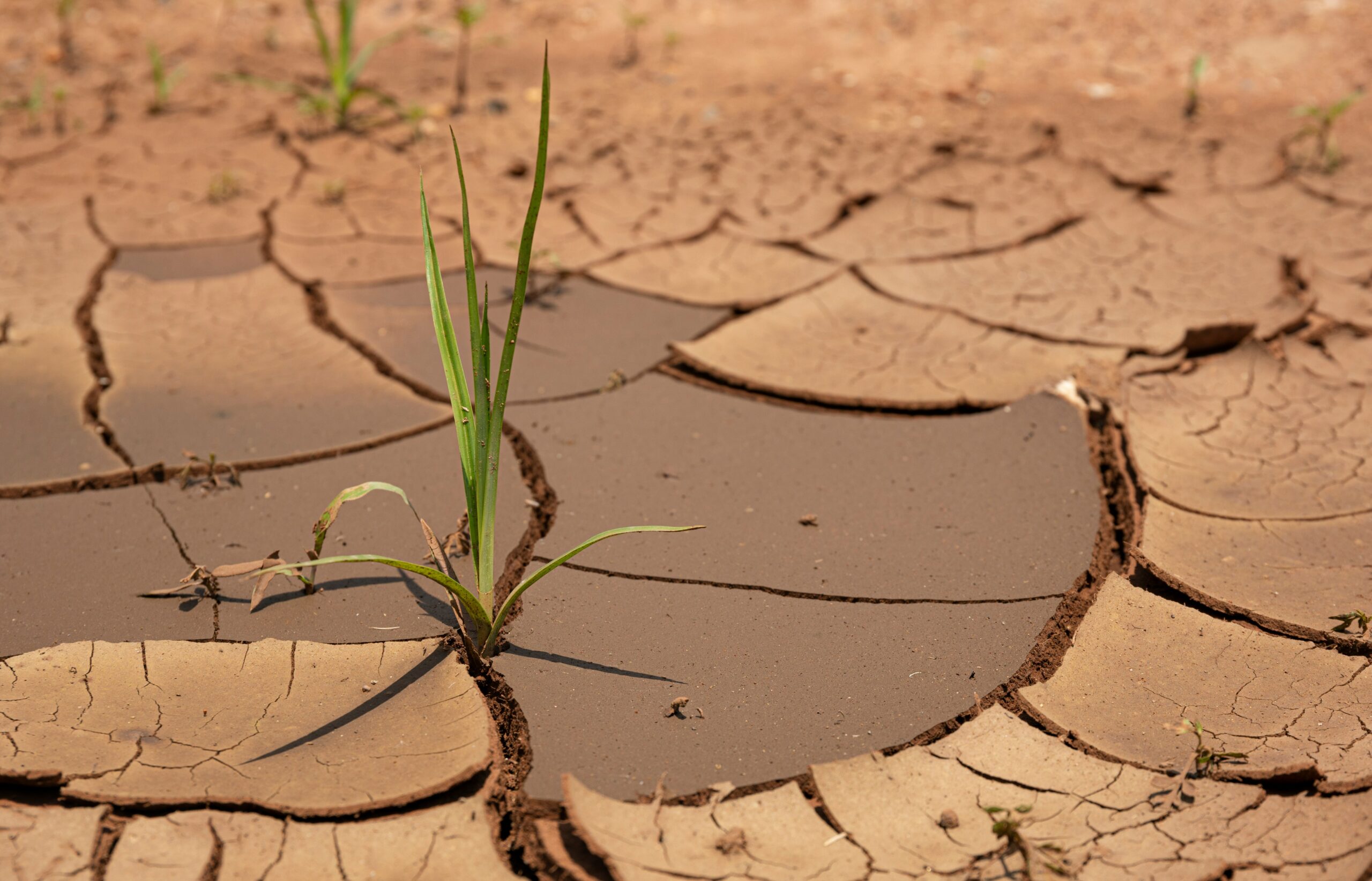
Drought isn’t just about this summer; it concerns the land’s ability to support us over time.
Recent conditions in England highlight that water is fundamental to nearly everything: agriculture, wildlife, rivers, and people. When water becomes scarce, the links between these elements become more evident and urgent.
The question I am left with
I started examining this topic after reading a headline about crops and harvests. However, it led me to consider a much larger issue.
What truly defines a resilient British food system?
I haven’t found the answer yet. This curiosity is part of why I am studying agroecology. I aim to understand what happens when we stop viewing problems in isolation and instead focus on the connections between them.
For instance, a drought begins with a lack of rain, but its effects can extend far beyond: into the soil, the farm, the entire food system, and ultimately our plates.
The key insight might not be just preparing for more droughts but developing agricultural systems that can thrive amid uncertainty. This seems like an important question to explore now, while we still have the opportunity to adapt our preparations.